


Understanding Kerbside Delivery in London Moving Services and Its Key Differences

Moving in London comes with unique challenges, from narrow streets to strict parking rules. One term you might hear when arranging your move is kerbside delivery London. But what does it really mean, and how does it differ from other moving options? This post breaks down the concept of kerbside delivery, explains when it applies, and helps you decide if it fits your needs.

.
What Is Kerbside Delivery in London Moving Services?
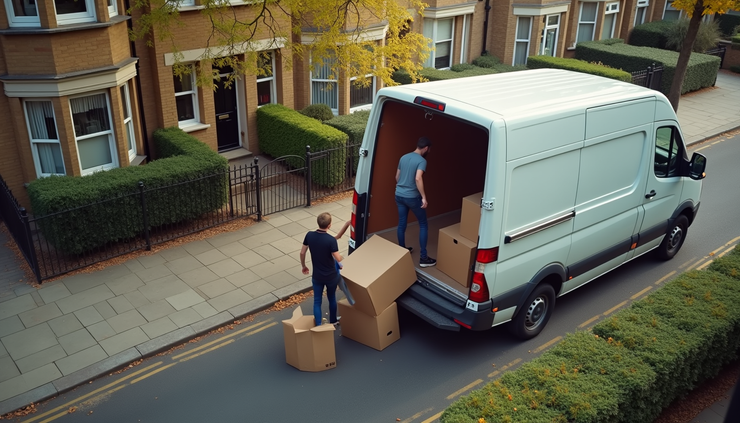
Kerbside delivery means the moving company will bring your belongings to the kerbside or pavement outside your property but will not carry items inside your home or building. This service is common in London because many streets have limited access or parking restrictions that prevent vans from pulling up directly to the front door.
In simple terms, the movers unload your items at the edge of the street, and it becomes your responsibility to move them inside. This contrasts with full-service moves, where the team handles everything from packing to placing items inside your rooms.
Why Does Kerbside Delivery Exist?
London’s historic layout and traffic rules create challenges for moving trucks:
Narrow streets and tight corners make it impossible for large vans to park close to some homes.
Parking restrictions and permits limit where vehicles can stop.
Pedestrian zones or shared spaces may block vehicle access altogether.
Kerbside delivery offers a practical solution when full access is not possible or when customers want to reduce moving costs by handling some of the work themselves.
How Kerbside Delivery Differs from Full-Service Moves
Understanding the difference between kerbside delivery and other moving service terms helps you set the right expectations.
| Feature | Kerbside Delivery London | Full-Service Move |
|--------------------------|-------------------------------------|--------------------------------------|
| Van access | Up to the kerbside only | Direct access to property entrance |
| Movers carry items inside | No | Yes |
| Customer involvement | High (must move items inside) | Low (movers handle everything) |
| Cost | Usually lower | Higher due to extra labour |
| Suitable for | Small moves, accessible homes nearby | Larger moves, limited customer effort |
If you choose kerbside delivery, confirm exactly where the movers will stop and what you need to do after unloading. This avoids surprises on moving day.
When Does Kerbside Delivery Apply?
Several situations make kerbside delivery the preferred or only option:
Restricted access streets: Many London roads have narrow lanes or no parking zones.
Customer preference: Some people want to save money by doing the final leg themselves.
Large or heavy items: If the building has no lift or narrow staircases, movers may only deliver to the kerb.
Short-distance moves: When moving nearby, customers might prefer kerbside delivery to reduce costs.
Example Scenario
Imagine moving to a flat on a narrow street in Camden. The moving van can park only at the end of the street due to parking restrictions. The movers unload boxes and furniture at the kerbside, but you must carry them inside yourself. This is kerbside delivery in action.
Limitations and Important Considerations
Kerbside delivery has clear limitations. Knowing these helps you avoid misunderstandings:
Physical effort: You or your helpers must carry all items inside, which can be tiring or difficult.
Weather exposure: Items left at the kerbside may be exposed to rain or wind during unloading.
Security risks: Leaving belongings outside temporarily can increase the risk of theft or damage.
Time constraints: Some London delivery rules limit how long vans can park at the kerbside.
Always discuss these points with your moving company. Ask for a clear explanation of what kerbside delivery includes and what it does not.
.
How to Choose the Right Moving Service Level
Choosing between kerbside delivery and full-service moves depends on your situation and preferences. Consider these factors:
Budget: Kerbside delivery is cheaper but requires more effort from you.
Physical ability: If you cannot carry heavy items, full-service is safer.
Building access: Check if your new or old address allows vans to park close.
Time: Full-service moves usually finish faster since movers handle everything.
Weather: If moving in bad weather, full-service protects your belongings better.
Tips for Customers
Clarify moving service terms with your provider before booking.
Ask about removals definitions to understand what each service includes.
Check the man and van glossary if you use smaller moving companies.
Review London delivery rules about parking and unloading zones.
Plan helpers or equipment if you choose kerbside delivery.
What to Expect on Moving Day with Kerbside Delivery
On the day, the moving team will arrive and park at the agreed kerbside spot. They unload your items onto the pavement or street edge. From there, you or your helpers take over.
Make sure you have:
Clear pathways from kerbside to your home.
Helpers ready to carry boxes and furniture inside.
Protective covers if rain is forecast.
Tools or trolleys to ease moving heavy items.
Communicate with your movers about timing and parking to avoid delays or fines.

.
Choosing kerbside delivery London can save money and work well in tight spaces, but it requires clear understanding of what the service includes. Knowing the moving service terms, removals definitions, and London delivery rules helps you avoid surprises and plan your move effectively.
If you want a hassle-free experience and can afford it, full-service moves offer convenience and protection. If you prefer to save costs and have help available, kerbside delivery might be the right choice.