


Understanding Vehicle Height Restrictions in London and Their Impact on Your Move
- The London Man And Van

- Jan 27
- 4 min read
Moving in London can be a complex task, especially when navigating the city's many vehicle height restrictions. These limits affect removal vans and other large vehicles, influencing route choices and van sizes. Understanding how vehicle height restrictions in London work helps you plan your move efficiently and avoid costly delays or detours.
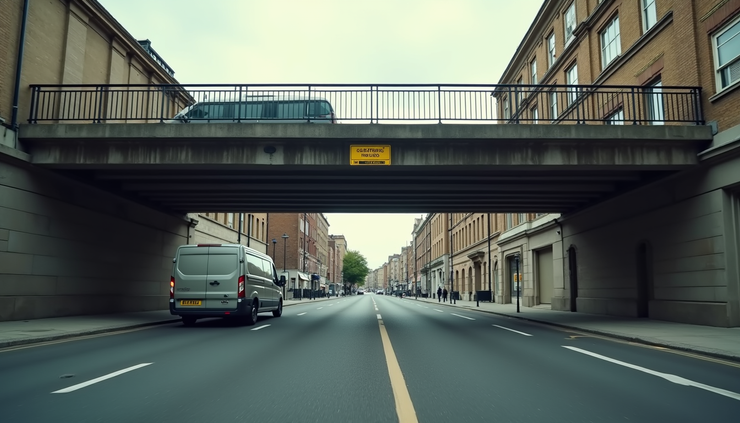
What Are Vehicle Height Restrictions in London?
Vehicle height restrictions are limits set on the maximum height a vehicle can be to safely pass under bridges, tunnels, or enter car parks. In London, these restrictions are common due to the city's historic infrastructure and narrow streets. Signs clearly mark these limits, often ranging from 2.0 meters to 3.5 meters depending on the location.
These restrictions protect infrastructure and ensure safety by preventing tall vehicles from colliding with low structures. For anyone moving in London, especially with a removal van, these limits are crucial to consider.
How Vehicle Height Restrictions Affect Moving Vans
Removal vans come in various sizes, from small man and van vehicles to large box trucks. Each has a different height, and not all vans fit under every bridge or into every car park. This means:
Large vans may be blocked from certain routes or parking areas.
Drivers must plan routes carefully to avoid restricted zones.
Choosing the wrong van size can cause delays or require last-minute changes.
For example, a 3.2-meter high removal van cannot pass under a bridge with a 3.0-meter height restriction. Ignoring this can cause accidents or fines.
Planning Your Move Around Vehicle Height Restrictions
Good man and van route planning is essential to avoid problems caused by London traffic restrictions, including height limits. Here are some practical steps:
Check the height of your chosen removal van before booking. Know the exact height including any roof racks or equipment.
Use route planning tools that include height restrictions. Some GPS apps allow you to enter vehicle height to avoid restricted roads.
Identify alternative routes in advance. London has many low bridges and tunnels, so having backup routes saves time.
Communicate with your moving company about any height concerns. Experienced movers know which areas to avoid.
By planning carefully, you reduce the risk of getting stuck or having to reroute during your move.

Choosing the Right Van Size for London Moves
Understanding removal van height limits helps you pick the right vehicle for your move. Here are some common van types and their typical heights:
Small man and van vehicles: Usually under 2.5 meters, suitable for studio or one-bedroom moves.
Medium-sized vans: Around 2.7 to 3.0 meters, good for two to three-bedroom homes.
Large box vans or trucks: Often 3.2 meters or taller, used for bigger moves but limited by many height restrictions.
If your move involves narrow streets or areas with low bridges, a smaller van might be more practical even if it means more trips. Conversely, a larger van can carry more but may face more route restrictions.
Understanding London Traffic Restrictions Beyond Height Limits
Height restrictions are just one part of London’s complex traffic rules. Other restrictions include:
Congestion charges and low emission zones. Some vehicles must pay fees or meet emissions standards.
Weight limits on certain roads or bridges. Heavy vehicles may be banned or restricted.
Time-based access restrictions. Some areas only allow large vehicles during specific hours.
When planning your move, consider these factors alongside vehicle height restriction London rules to avoid fines and delays.
Tips for a Smooth Move in London Considering Height Restrictions
Scout the route beforehand if possible. Walking or driving the route helps spot potential obstacles.
Ask your removal company about their experience with London routes. Professionals often know shortcuts and safe paths.
Measure your belongings and van carefully. Avoid surprises with oversized furniture or equipment on the roof.
Be flexible with timing. Moving during off-peak hours can ease navigation through restricted zones.
Use technology. Apps like Google Maps or specialized moving route planners can help avoid restricted areas.
Common Moving Terms Related to Vehicle Height Restrictions
Understanding some moving terms can clarify discussions with your movers:
Vehicle height restriction London: The maximum allowed height for vehicles on certain roads or under structures.
Removal van height limits: Specific height measurements that vans must not exceed to access certain areas.
Man and van route planning: The process of mapping routes that accommodate the van’s size and local restrictions.
London traffic restrictions: Various rules controlling vehicle access, including height, weight, emissions, and timing.
Knowing these terms helps you communicate clearly and plan better.

Final Thoughts on Vehicle Height Restrictions and Moving in London
Vehicle height restrictions in London shape how removal vans navigate the city. They require careful planning, the right choice of van size, and awareness of local traffic rules. By understanding these factors, you can avoid delays, reduce stress, and ensure a smoother moving experience.